中国药科大学用紫外交联仪UCL-3500M构建光损伤细胞模型
概要:中国药科大学在《Cosmetics》发表文献《Photoprotective Effect and Potential Mechanisms of Gardeniae Fructus Extract in UVB-HIrradiated HaCaT Cells》,文献中使用紫外交联仪UCL-3500M模拟UVB紫外线辐照,构建HaCaT 细胞光损伤模型,对皮肤光损伤相关研究有重要参考意义。
在该细胞研究中,紫外交联仪UCL-3500M通过模拟自然环境中UVB紫外线对皮肤的照射,定向诱导 HaCaT 细胞产生与体内光损伤高度相似的生理病理变化,为后续探究活性成分的作用机制、筛选高效光保护物质提供了可靠的实验载体。
紫外交联仪 UCL-3500M的优势
优势一:紫外交联仪UCL-3500M可以提供定时或定量的UVB紫外线辐照,剂量精准且UVB光照均匀稳定,非常适合构建各类紫外光损伤细胞模型。
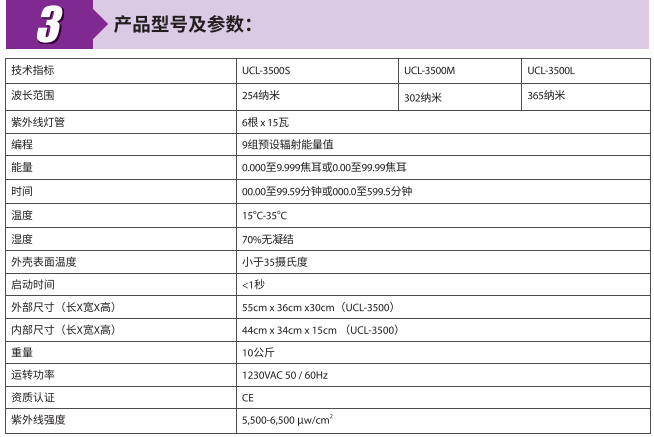
优势二:紫外交联仪UCL-3500M满足紫外光损伤模型的光谱要求。UCL-3500M的波长与自然环境中到达地球表面的 UVB(290-320nm)波段契合,因此可以真实模拟皮肤暴露于日光时的UVB照射条件,模拟UVB诱导的皮肤细胞损伤特征。
优势三:紫外交联仪UCL-3500M使用专为辐照细胞设计的温控系统,无需担心温度过高损伤细胞。
紫外交联仪UCL-3500M剂量精准、操作简单、光照均匀,广泛用于国内外高校和科研院所,进行紫外光损伤细胞模型的构建。设备可选择时间模式,能量模式,预设模式等多种方式操作。另外,紫外交联仪UCL-3500系列还有254nm、365nm等多种波长可选,可以满足不同细胞实验的要求。
原文段落:
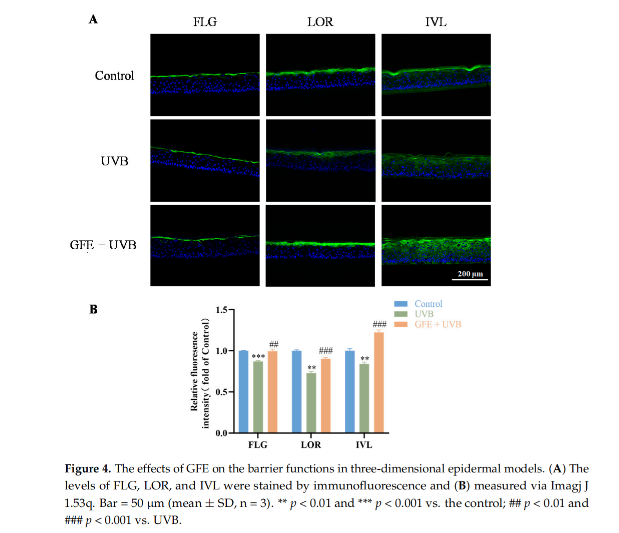
Abstract: Gardeniae Fructus (GF), the desiccative mature fruitage of Gardenia jasminoides J. Ellis (G. jasminoides), is a traditional herbal medicine in China with potential value against skin photodamage. However, the phytochemical basis and mechanisms underlying GF’s anti-photodamage effects remain unclear. In this study, the chemical components in GF extract (GFE) were analyzed using ultra-high-performance liquid chromatography coupled with tandem mass spectrometry (UPLC-MS/MS), and iridoids were identified as the main components. The antioxidant, anti-inflammatory, and barrier-repair effects of GFE in UVB-induced photodamage were assessed through in vitro experiments. Additionally, the potential mechanisms of GFE against skin photodamage were predicted using proteomics and network pharmacology. The results showed that GFE significantly increased the levels of total superoxide dismutase (T-SOD), catalase (CAT), and glutathione peroxidase (GSH-Px) induced by UVB, while decreasing reactive oxygen species (ROS) and malondialdehyde (MDA) contents. GFE also inhibited the secretion of interleukin-6 (IL-6) and interleukin-1β (IL-1β). Additionally, GFE upregulated the expression of filaggrin (FLG), loricrin (LOR), and involucrin (IVL) in 3D epidermal skin models. Proteomic analysis and network pharmacology indicated that the iridoid components identified in GFE ameliorated UVB-induced damage probably by regulating cell cycle-related proteins and signaling pathways, though this requires further experimental confirmation. Overall, the results provide essential evidence to support the development of GFE as a skincare active ingredient.
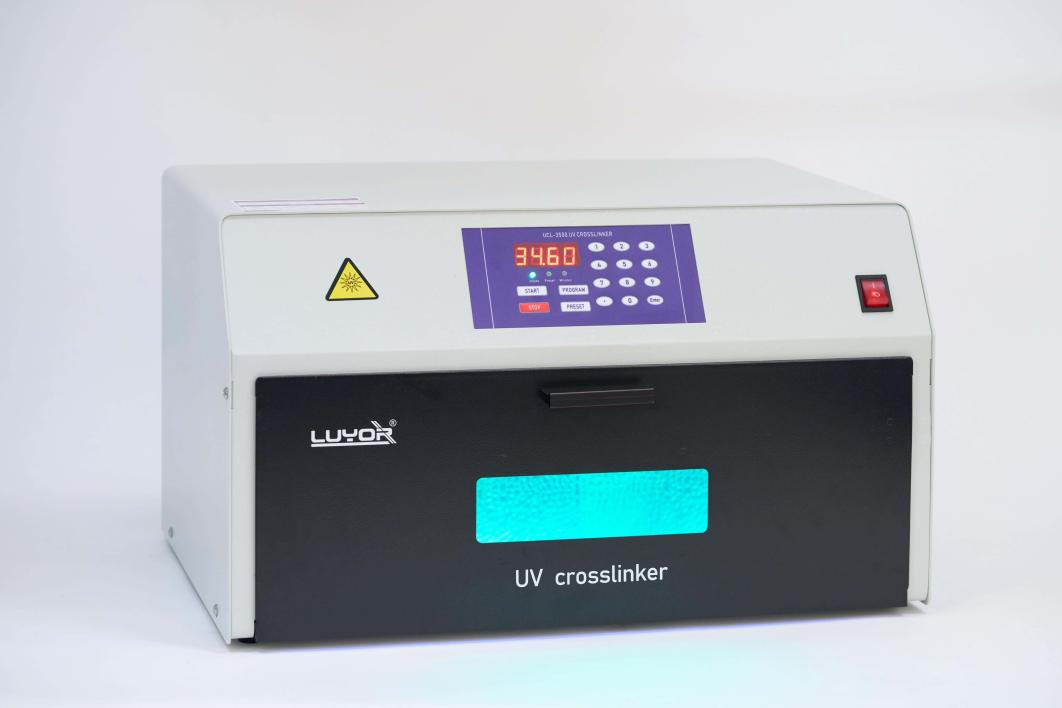
UV crosslinker (Luyor, Shanghai, China) UVB lamps (302 nm) were applied for cell modeling at 10 mJ/cm2. The HaCaT cells had a thin film of phosphate-buffered saline (PBS) on them and were irradiated by UVB. After irradiation, the medium was replaced with fresh medium and incubated for 24 h.
原文献下载地址://doi.org/10.3390/cosmetics12020072